
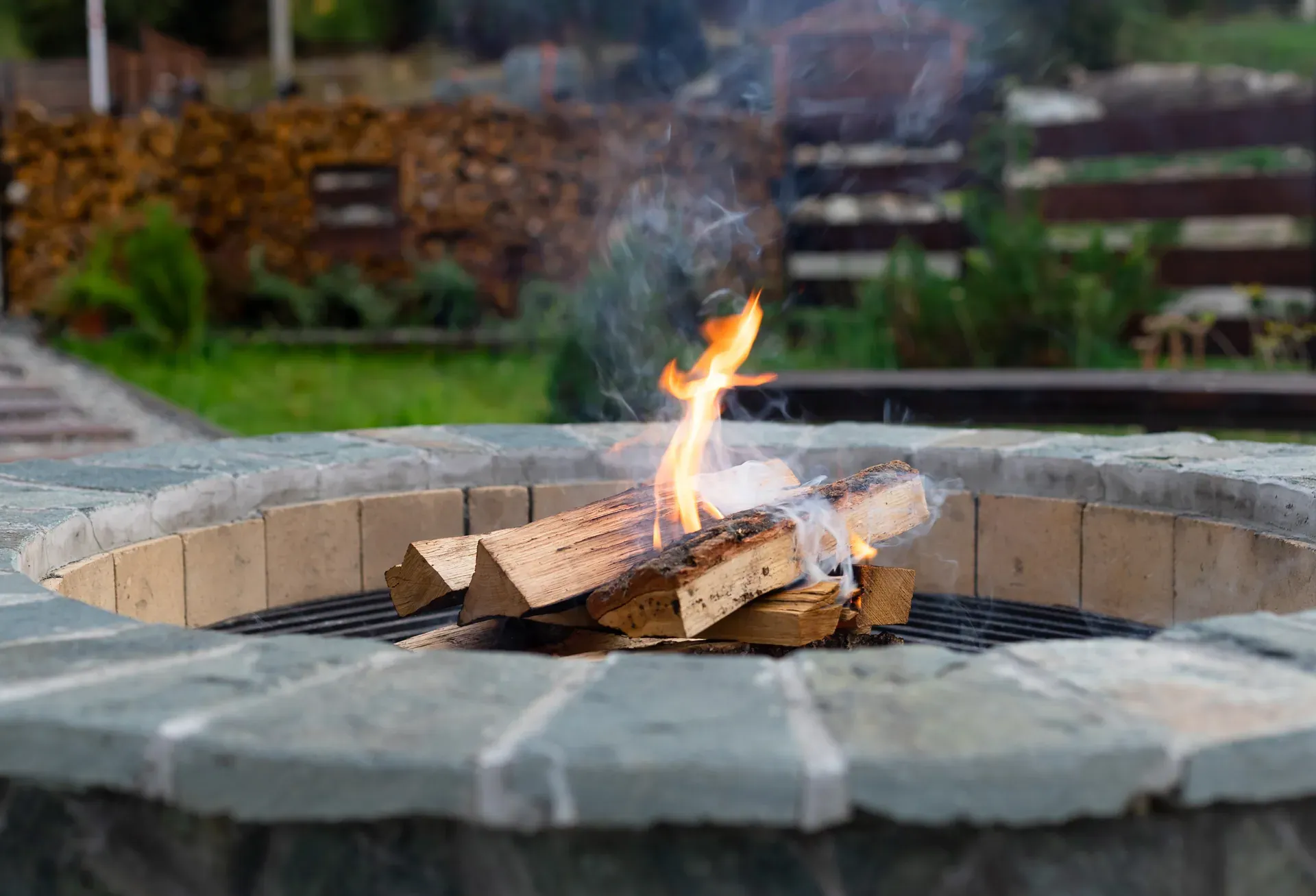
Fire pits, hearths, and bowls — sized for the way the yard ends.
Wood-burning, natural-gas, or propane. Stone, concrete, or steel. We build fire features that read like architecture, not afterthoughts — sited for the prevailing breeze and the seating it deserves.
Typical projects $4K – $24K · 1–3 week builds
Owner-operated by Armando, Jose & Cris — every gas line pressure-tested, every burn permit handled.
What lands in your Monarch proposal.
Most fire-feature bids skip the burner brand and the BTU calc. Ours don’t. You’ll see the burner, the ignition, the pan, the gas line size, and the stone allowance — all called out by spec.
- Foundation: 6" reinforced concrete pad on compacted base, sized to feature footprint
- Core: CMU cinder-block construction for gas pits and hearths — no dry-stack without mortar
- Stone veneer: full-bed mortar set, sealed on install; stone allowance in the bid
- Burner (gas): Warming Trends crossfire or HPC linear; BTU calc per orifice size on proposal
- Gas line: black iron from meter, pressure-tested to 90 PSI before final inspection
- Ignition: piezo push-button standard; electronic safety shutoff optional
- Tie-in for in-ground fire pits
- Permits: Harris or Fort Bend gas permit + final inspection included
- Warranty: 2-year construction warranty + lifetime burner warranty (manufacturer)
Pick the fire your evening wants .
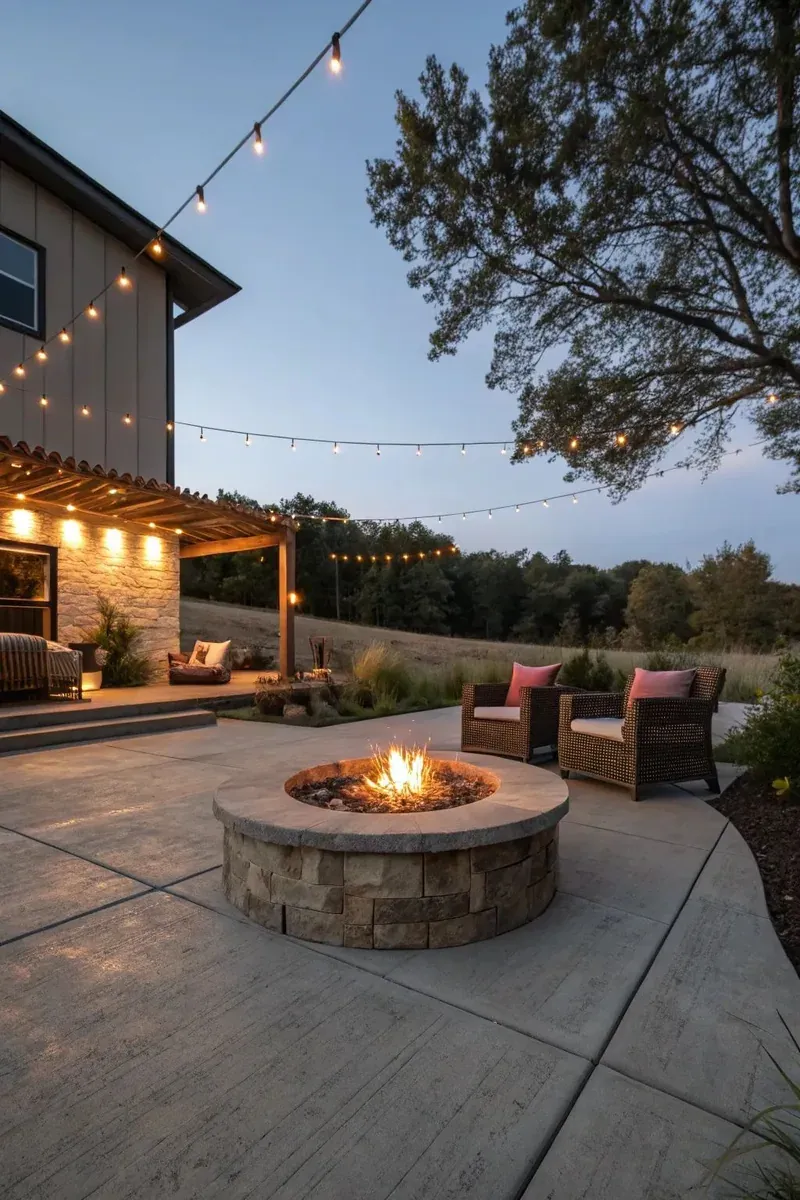
36”–48” outside diameter, 24”–32” burner ring. Sized to seat 4–8 around the rim.
Warming Trends crossfire — taller, fuller flame than a standard ring. Worth the upcharge every time.
Piezo push-button standard; electronic with safety shutoff for $400 more.
When the yard already has gas and you want the lowest-friction, most-used fire feature you can build.
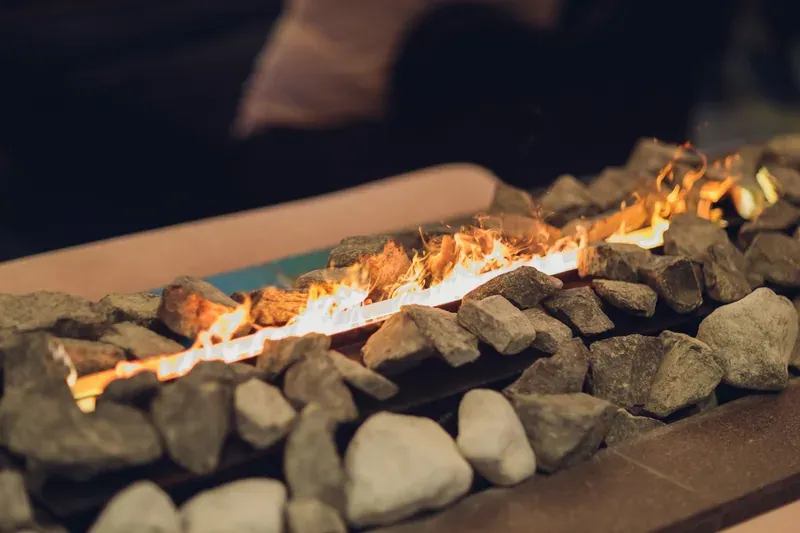
4’–8’ long linear pan, 12”–18” wide. Reads architectural — pairs with seat walls and modern homes.
HPC linear burner with even flame across the full length. Multi-port for visual depth.
Integrates flush into a seat wall or stone counter. Disappears when off; dominates when on.
When the home is contemporary and the fire feature should read as a line in the composition, not a circle.
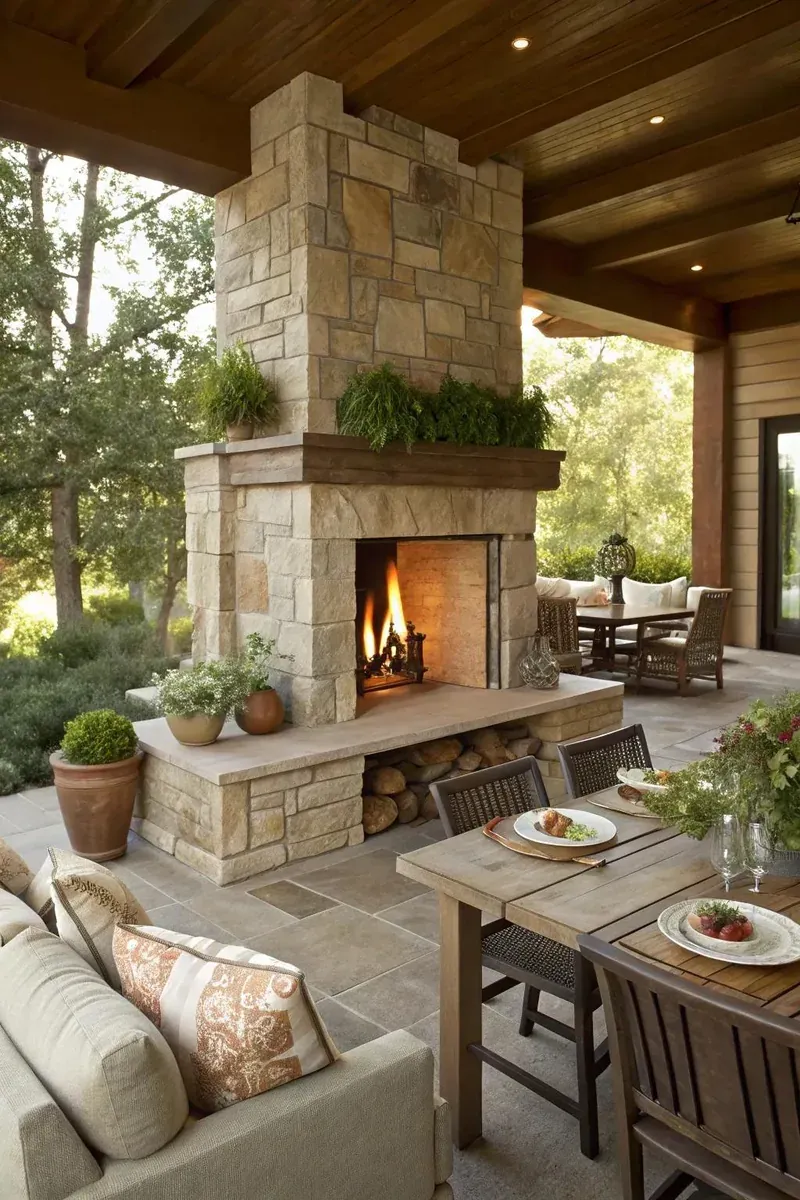
There is no replacement for woodsmoke. Gas can’t simulate it; nobody who’s used both pretends otherwise.
Full firebrick liner, stainless flue with rain cap, pre-cast concrete throat to hold a clean draw.
Stone surround reads as architecture — a permanent feature, not an appliance dropped in the yard.
When the yard backs to woods, the breeze drops at sunset, and the family genuinely uses fire for fire’s sake.
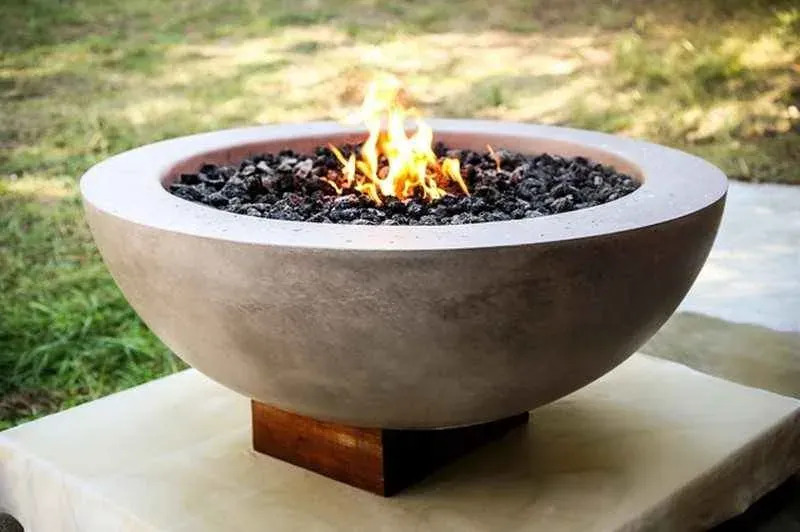
Cast concrete or hammered copper bowls — 28”–36” diameter, set on stone pedestals.
Two or three bowls flanking a seating area or pool edge. Adds scale without a single focal point.
Gas-fed from a shared line or individual propane tanks. No trenching required for propane.
When the yard is already designed and you want fire as punctuation, not as a centerpiece.
Most fire-feature projects we build land between $6K and $14K. Drivers are gas vs. wood, feature size, and whether the gas line requires a long trench.
36”–44” round stone pit, crossfire burner, gas line tie-in, lava rock media.
Linear gas trough in seat wall, or wood-burning hearth with stone surround and flue.
Full stone wood-burning hearth with chimney, or large-scale custom fire + seating integration.
Fire features we've sat around recently.
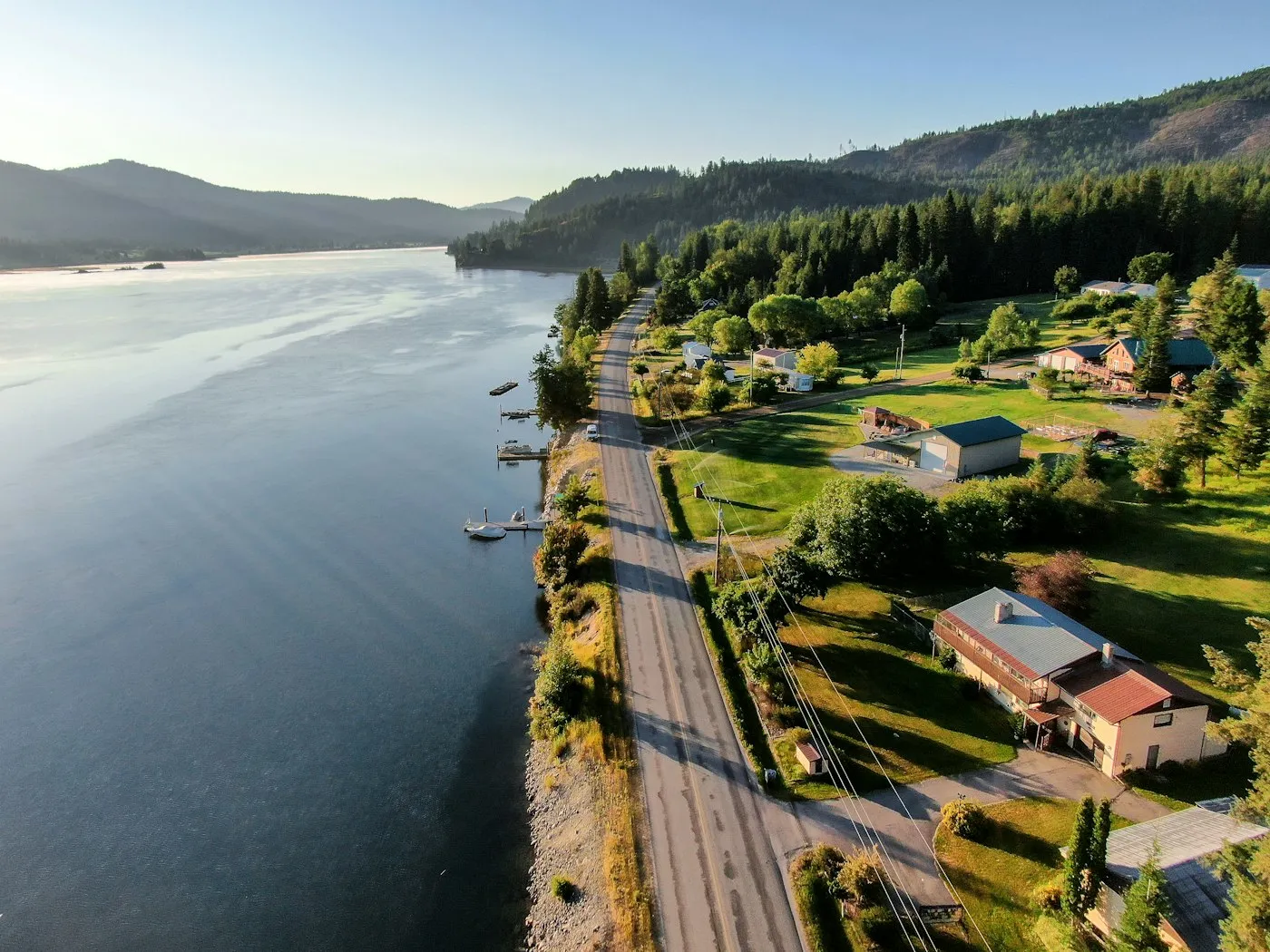
How a Monarch fire feature actually gets built.
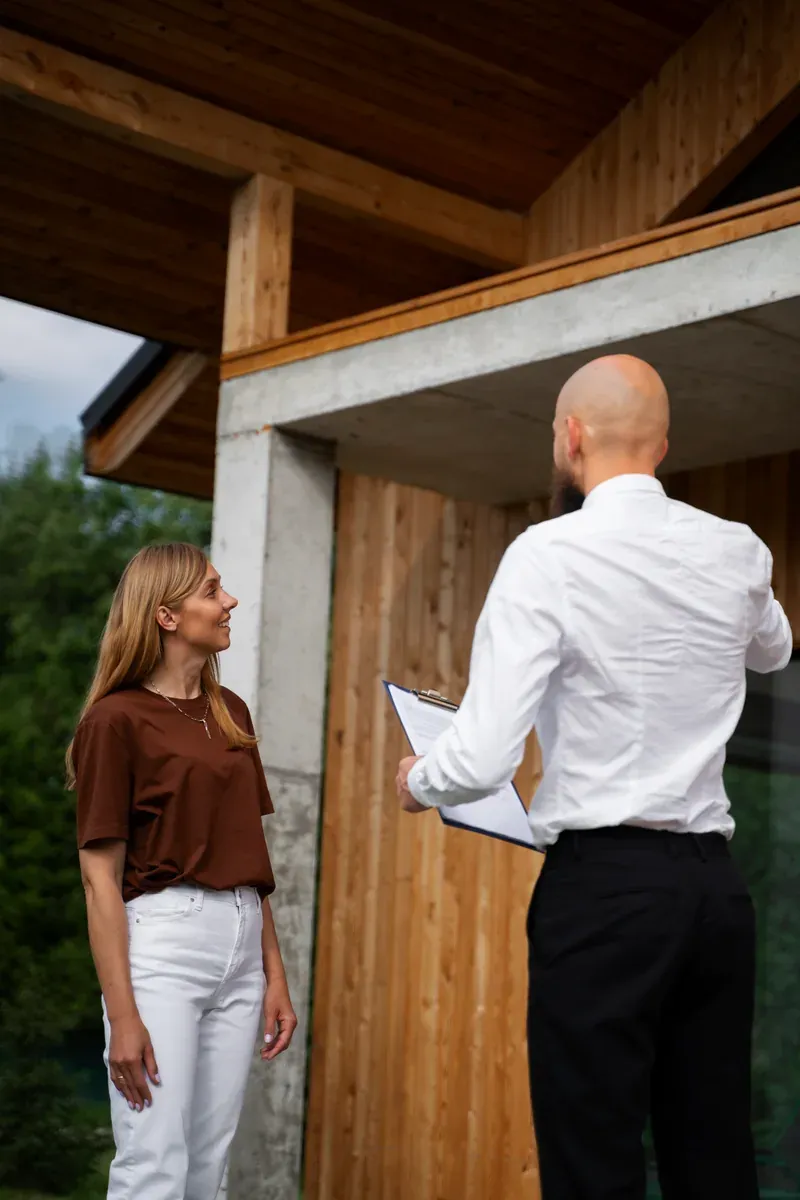
Discovery
We walk the property with you, understand how you actually use the yard, and listen for the real ask behind the fire feature. No tape measures yet — just questions.
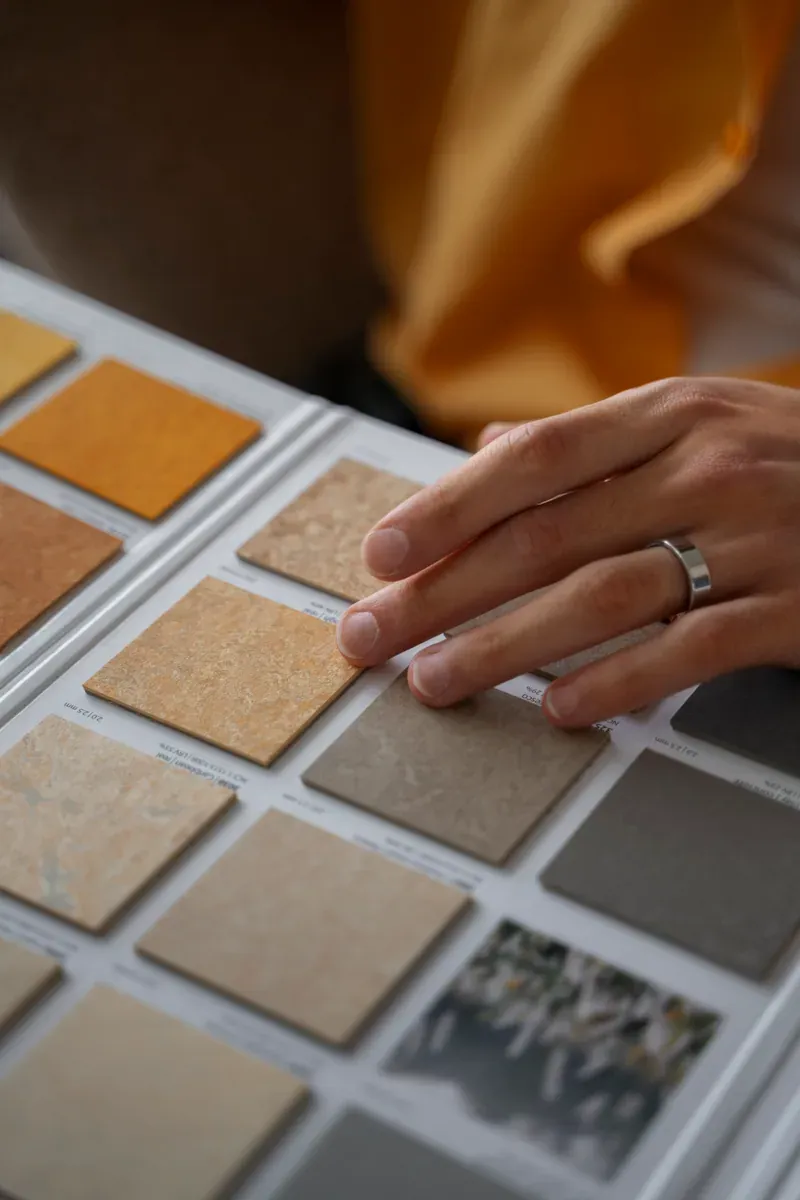
Design + Material Selection
You see plans drawn to your lot, materials laid out side by side, and a fixed-price proposal you can read in five minutes. We refine until it fits both the space and the budget.

Prep & Permit
We pull the permits, file with your HOA, and stage the site. Lawn edges and existing landscaping get protected before a single tool comes out.
Build
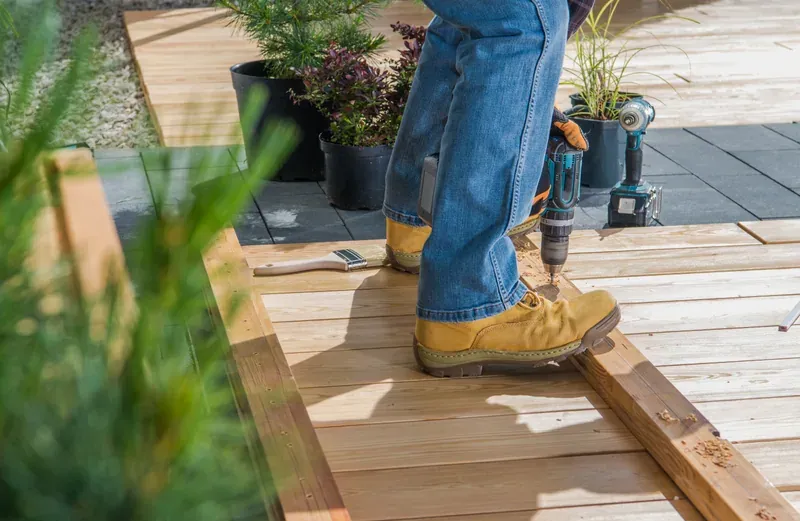
Owner-led crews on site daily. The same Curiel or Alvarez who quoted the project is the one you text when something comes up. Daily clean-up; no surprises.
We Come Back
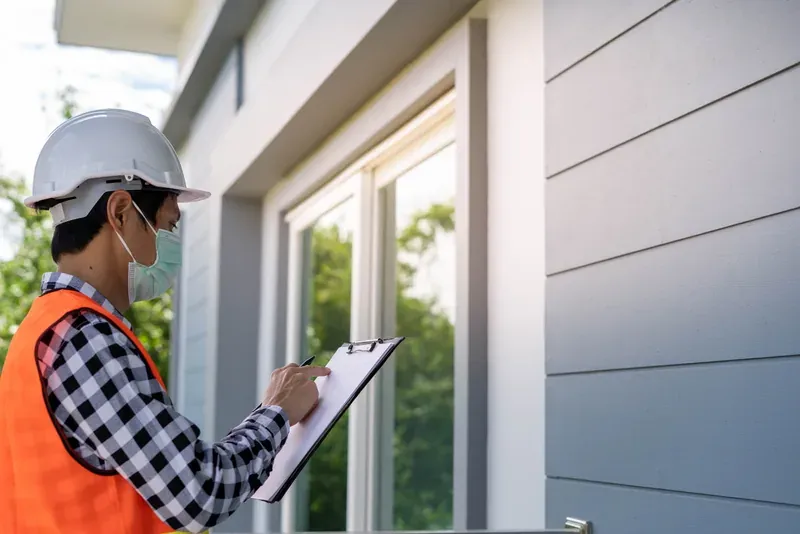
Thirty days, ninety days, a year later — we check the joints, re-tighten what needs it, and answer the questions that surface once you’ve actually lived with the space.
We build across Houston's western and northern suburbs.

Cinco Ranch · Firethorne — HOA-savvy approvals
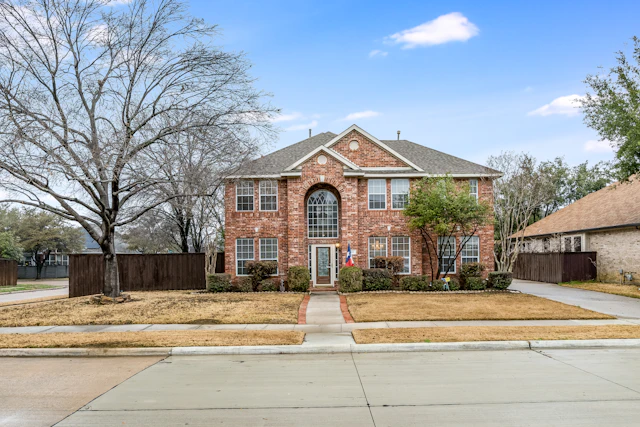
Bridgeland · Towne Lake — large lot specialists
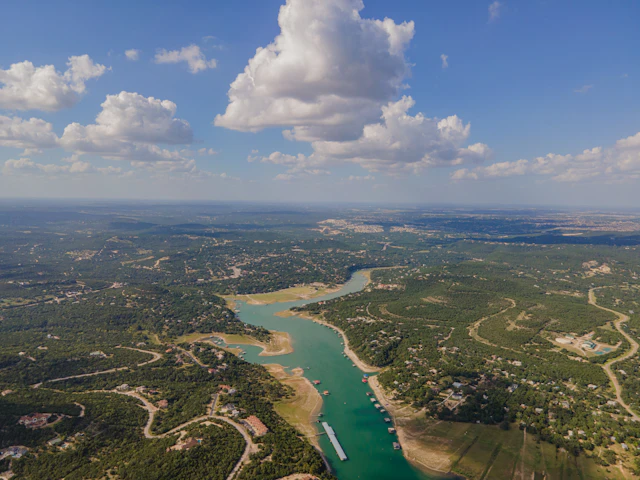
First Colony · Riverstone · Sweetwater
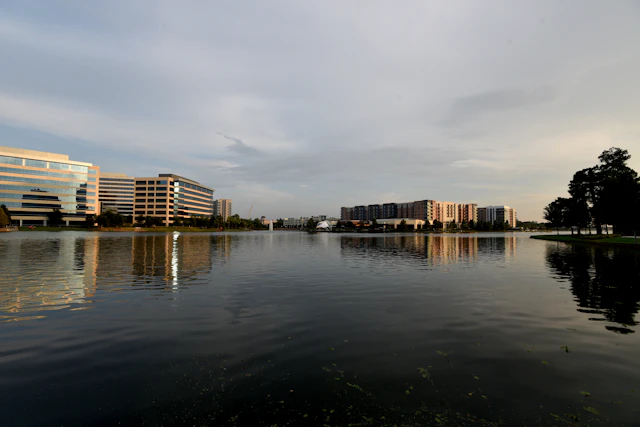
Creekside · Sterling Ridge — tree-canopy builds
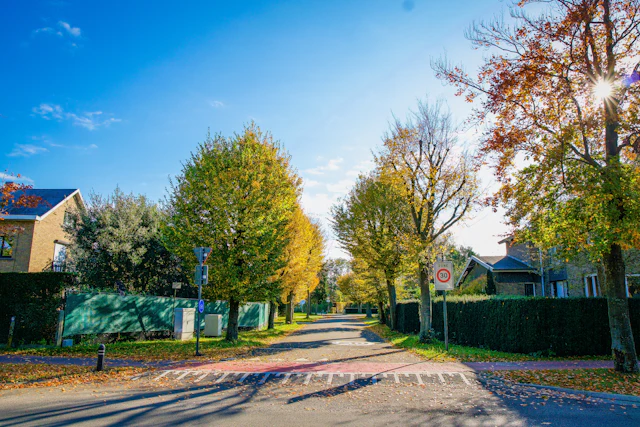
Gleannloch Farms · Spring Trails
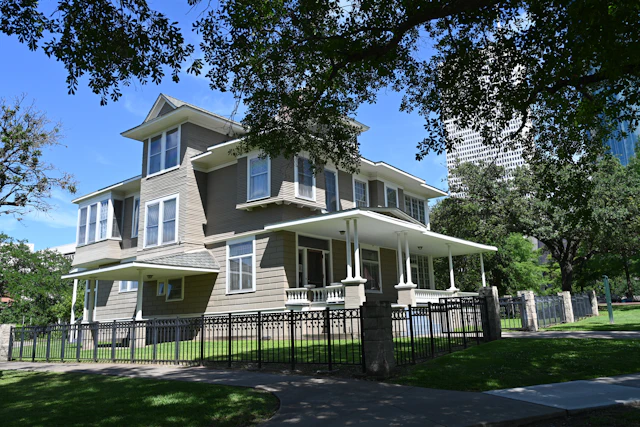
Willow Creek · Lakewood — large-span structures
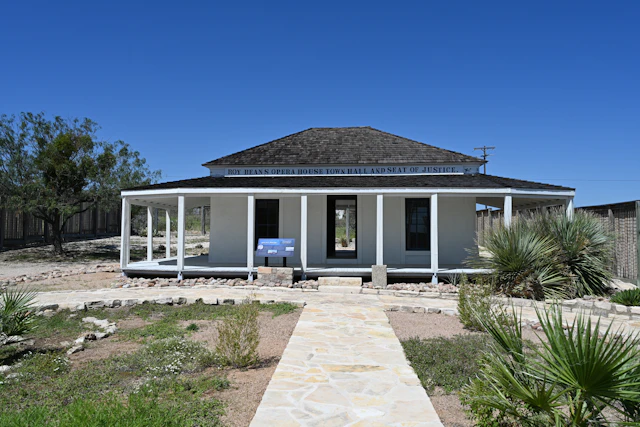
Cross Creek Ranch · Polo Ranch — pre-approval service
Heights · Memorial · Meyerland
Fire features — the questions homeowners actually ask.
Gas if you want it ready in 30 seconds, three nights a week. Wood if the smell of woodsmoke is the point. Roughly 80% of our installs are gas; the wood hearths get loved hardest.
If your meter has the capacity, yes. We confirm the BTU headroom on the proposal walk and run black iron from the meter. If the meter is maxed, we propose a propane alternative or upgrade the meter.
Any new gas line is permitted. Wood-burning hearths require a separate burn-feature permit in most Houston jurisdictions. We pull both and schedule the final inspection.
Open gas pits at 10 ft from any combustible structure or overhang as a default. Wood-burning hearths typically 15 ft and require an analysis of the prevailing breeze. We site every feature on a walk, not on a map.
Lava rock base under tempered glass for modern looks. Lava rock under fire stones for traditional. Both diffuse heat to the burner; both read warm at dusk.
A well-installed Warming Trends crossfire is essentially silent — just the audible whoosh at ignition. If a fire pit hisses or roars, the burner was undersized for the gas line.
Ready to plan a fire feature for the way your evenings actually end?
We’ll walk the yard, talk through gas vs. wood and stone vs. trough, and get you a fixed-price proposal in ten days.